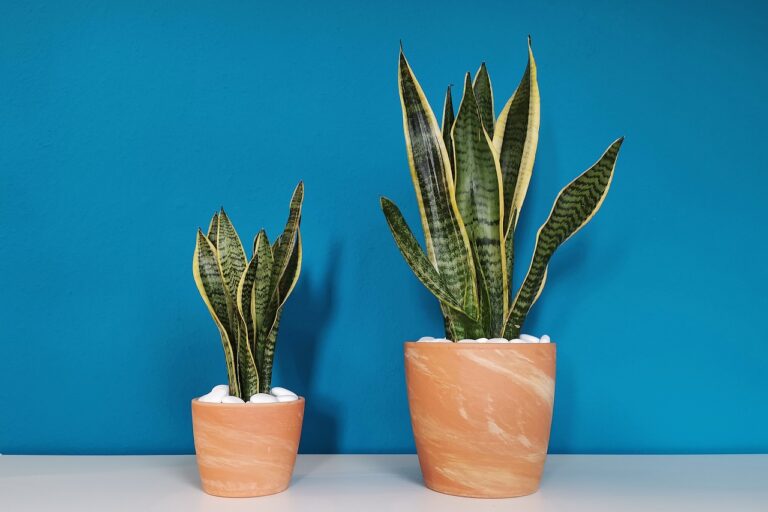

Xeriscaping: Drought-Resistant Landscapes
laser book, silverexch, 11xplay reddy login:Xeriscaping: Drought-Resistant Landscapes
Are you tired of constantly watering your lawn, only to see it dry up in the summer heat? Do you want to save money on your water bill while also helping the environment? If so, xeriscaping may be the solution for you. Xeriscaping is a landscaping technique that focuses on using drought-resistant plants and materials to create a beautiful and sustainable outdoor space. In this article, we’ll explore the benefits of xeriscaping, the principles behind it, and how you can implement it in your own yard.
Benefits of Xeriscaping
One of the most significant benefits of xeriscaping is its water-saving potential. By using plants that are native to your region and are adapted to your local climate, you can significantly reduce the amount of water needed to maintain your landscape. This not only saves you money on your water bill but also helps conserve this precious resource. Additionally, xeriscaping can improve the health of your soil, reduce erosion, and attract pollinators such as bees and butterflies to your yard.
Principles of Xeriscaping
The key principles of xeriscaping include careful planning, selecting appropriate plants, efficient irrigation, and mulching. When planning your xeriscape, consider factors such as sunlight exposure, soil type, and water availability. Choose plants that are drought-tolerant, low-maintenance, and well-suited to your local climate. Group plants with similar water requirements together to make irrigation more efficient. Use mulch to retain moisture in the soil, suppress weeds, and improve the overall health of your landscape.
Implementing Xeriscaping in Your Yard
To implement xeriscaping in your yard, start by assessing your current landscape and identifying areas that can be improved. Remove water-thirsty grass and replace it with drought-resistant plants such as succulents, native grasses, and wildflowers. Consider installing a drip irrigation system to deliver water directly to the roots of your plants, minimizing waste. Use permeable materials such as gravel or mulch for paths and patios to reduce runoff and promote water infiltration. With some time and effort, you can transform your yard into a beautiful, low-maintenance oasis.
FAQs
Q: Will xeriscaping make my yard look like a desert?
A: Not at all! Xeriscaping can be designed to be lush and colorful, depending on the plants you choose and how you arrange them in your landscape.
Q: How much water can I expect to save with xeriscaping?
A: On average, xeriscaping can reduce water usage by 50-75% compared to traditional landscaping methods.
Q: Do I need to have a green thumb to maintain a xeriscape?
A: Not necessarily. Many drought-resistant plants are low-maintenance and require minimal care once established.
Q: Can xeriscaping increase the value of my property?
A: Yes, xeriscaping is becoming increasingly popular among homebuyers who value water efficiency and sustainability.
In conclusion, xeriscaping is a practical and eco-friendly landscaping solution that can benefit both you and the environment. By implementing xeriscaping principles in your yard, you can create a beautiful outdoor space that requires less water, maintenance, and resources. So why not give xeriscaping a try and enjoy all the benefits it has to offer? Your wallet and the planet will thank you.