
LED Lighting: Efficient Illumination
play 99 exchange, lotusbhai, playexch in login:LED lighting has revolutionized the way we illuminate our homes, offices, and public spaces. With their energy-efficient properties and long lifespan, LED lights have become the go-to choice for many consumers looking to save money on their energy bills while reducing their environmental impact.
In this article, we will delve into the world of LED lighting, exploring its benefits, applications, and how it compares to traditional lighting options. Let’s shed some light on why LED lighting is the smart choice for efficient illumination.
Benefits of LED Lighting
LED lighting offers numerous advantages over traditional incandescent and fluorescent lights. Here are some of the key benefits of LED lighting:
1. Energy Efficiency: LED lights are highly energy efficient, using up to 80% less energy than traditional lighting options. This not only helps reduce electricity bills but also lowers carbon emissions and reduces the strain on the environment.
2. Long Lifespan: LED lights have a significantly longer lifespan compared to incandescent and fluorescent lights. On average, LED lights can last up to 50,000 hours, reducing the need for frequent replacements.
3. Durability: LED lights are extremely durable and shock-resistant, making them ideal for outdoor and industrial applications. They are also less prone to breakage, reducing maintenance costs.
4. Instant On: Unlike traditional lights that take time to reach full brightness, LED lights turn on instantly, providing immediate illumination.
5. Design Flexibility: LED lights come in a variety of shapes and sizes, allowing for endless design possibilities. From strip lights to recessed fixtures, LED lighting can be tailored to suit any space or aesthetic.
Applications of LED Lighting
LED lighting has a wide range of applications across various industries and settings. Here are some common uses of LED lighting:
1. Residential Lighting: LED lights are popular choices for illuminating homes, providing energy-efficient and customizable lighting solutions for living spaces, kitchens, and outdoor areas.
2. Commercial Lighting: LED lighting is widely used in commercial settings such as offices, warehouses, and retail stores. It can improve productivity, enhance visibility, and create a more welcoming environment for customers and employees.
3. Outdoor Lighting: LED lights are ideal for outdoor applications such as street lighting, security lighting, and landscape lighting. Their durability and energy efficiency make them well-suited for illuminating outdoor spaces.
4. Automotive Lighting: LED lights are increasingly being used in automotive lighting due to their bright, long-lasting illumination and energy efficiency. They are commonly used in headlights, tail lights, and interior lighting.
5. Industrial Lighting: LED lights are well-suited for industrial settings such as factories, warehouses, and manufacturing facilities. Their durability, low maintenance requirements, and energy efficiency make them cost-effective solutions for industrial lighting needs.
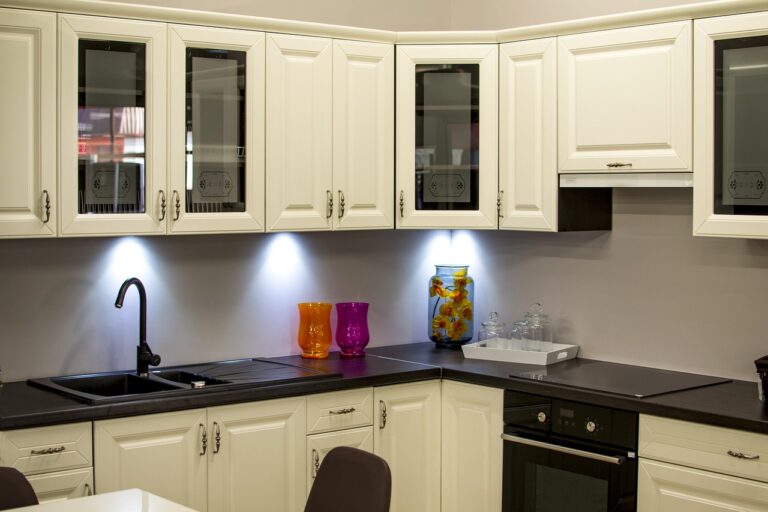
6. Decorative Lighting: LED lights are popular choices for decorative lighting applications, such as accent lighting, under cabinet lighting, and mood lighting. They can add a touch of style and ambiance to any space.
LED vs. Traditional Lighting
When comparing LED lighting to traditional lighting options such as incandescent and fluorescent lights, there are clear advantages that make LED lighting the superior choice:
– Energy Efficiency: LED lights are significantly more energy-efficient than incandescent and fluorescent lights, consuming less power and reducing electricity bills.
– Long Lifespan: LED lights have a much longer lifespan than traditional lights, reducing the frequency of replacements and maintenance costs.
– Durability: LED lights are more durable and resistant to shocks and vibrations compared to traditional lights, making them ideal for outdoor and industrial applications.
– Instant On: LED lights turn on instantly and reach full brightness without any warm-up time, unlike traditional lights that require time to reach maximum illumination.
– Environmentally Friendly: LED lights are more eco-friendly than traditional lights, as they contain no toxic materials and emit less heat and carbon emissions.
Frequently Asked Questions
Q: Are LED lights dimmable?
A: Yes, many LED lights are dimmable, providing flexibility in lighting levels to suit different preferences and moods.
Q: Do LED lights come in different colors?
A: Yes, LED lights come in a wide range of colors, from warm white to cool white to RGB colors, allowing for customizable lighting options.
Q: Can LED lights be used outdoors?
A: Yes, LED lights are suitable for outdoor use, as they are weather-resistant and durable, making them ideal for landscape lighting, security lighting, and more.
Q: Are LED lights more expensive than traditional lights?
A: While LED lights may have a higher upfront cost than traditional lights, their energy efficiency and long lifespan result in cost savings over time.
Q: Do LED lights emit heat?
A: LED lights emit significantly less heat than traditional lights, making them safer to use and more energy-efficient.
In conclusion, LED lighting offers a myriad of benefits, from energy efficiency and long lifespan to durability and design flexibility. Whether you’re looking to illuminate your home, office, or outdoor space, LED lighting is the smart choice for efficient illumination. Make the switch to LED lights today and experience the difference they can make in your lighting needs.